

Cobalt
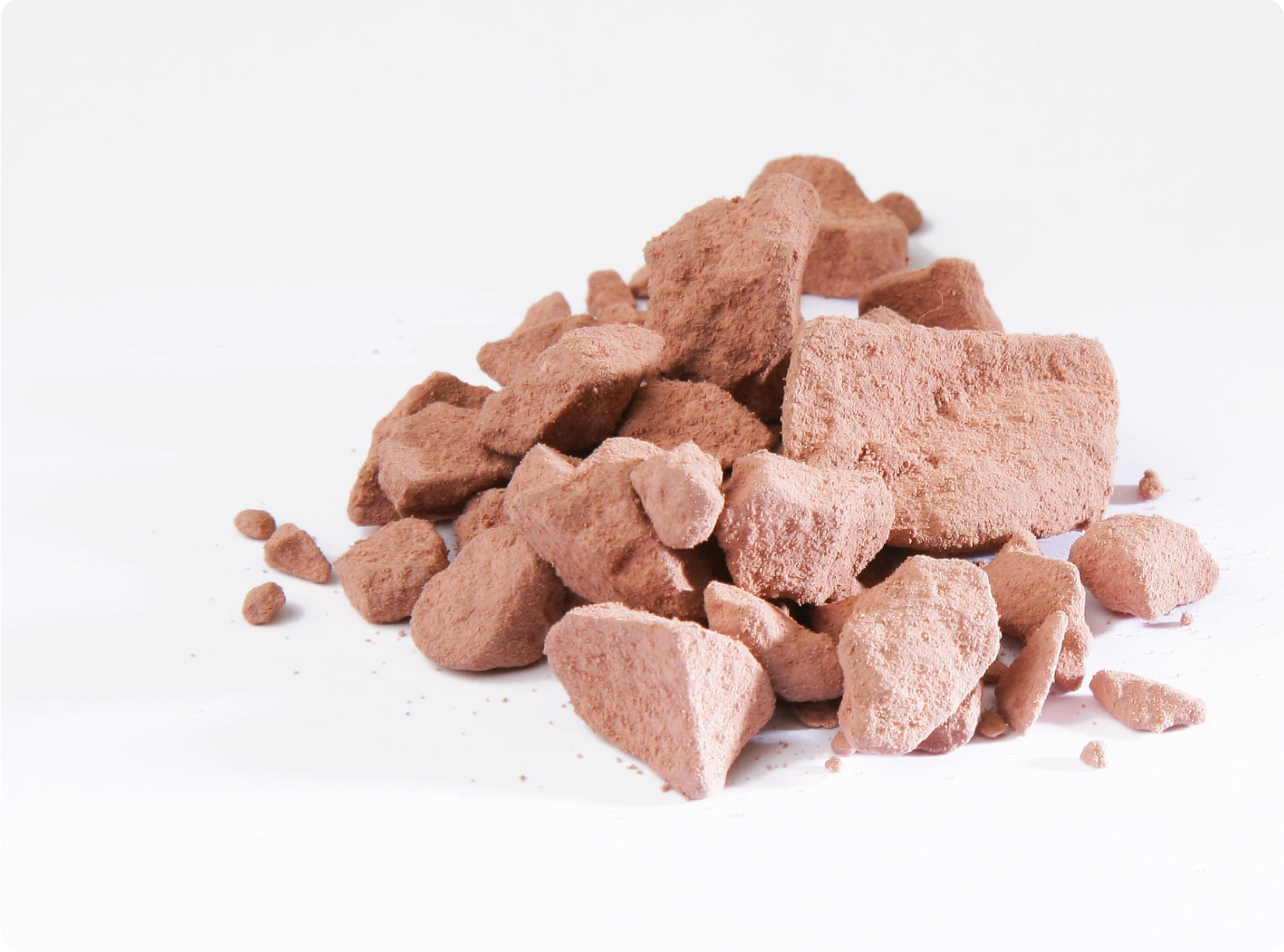
Cobalt Sulphate
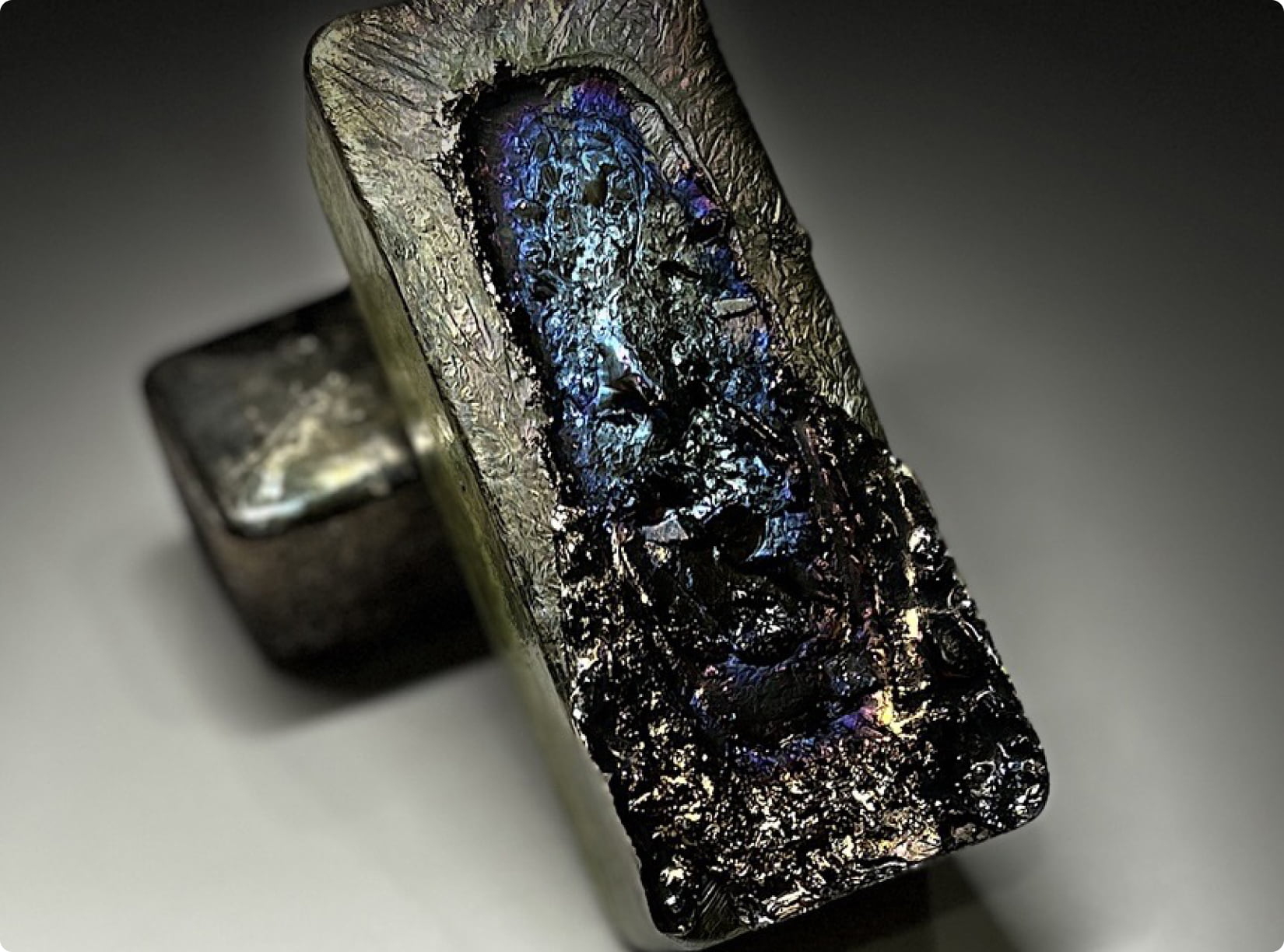
Bismuth Ingot
Bismuth
Gold
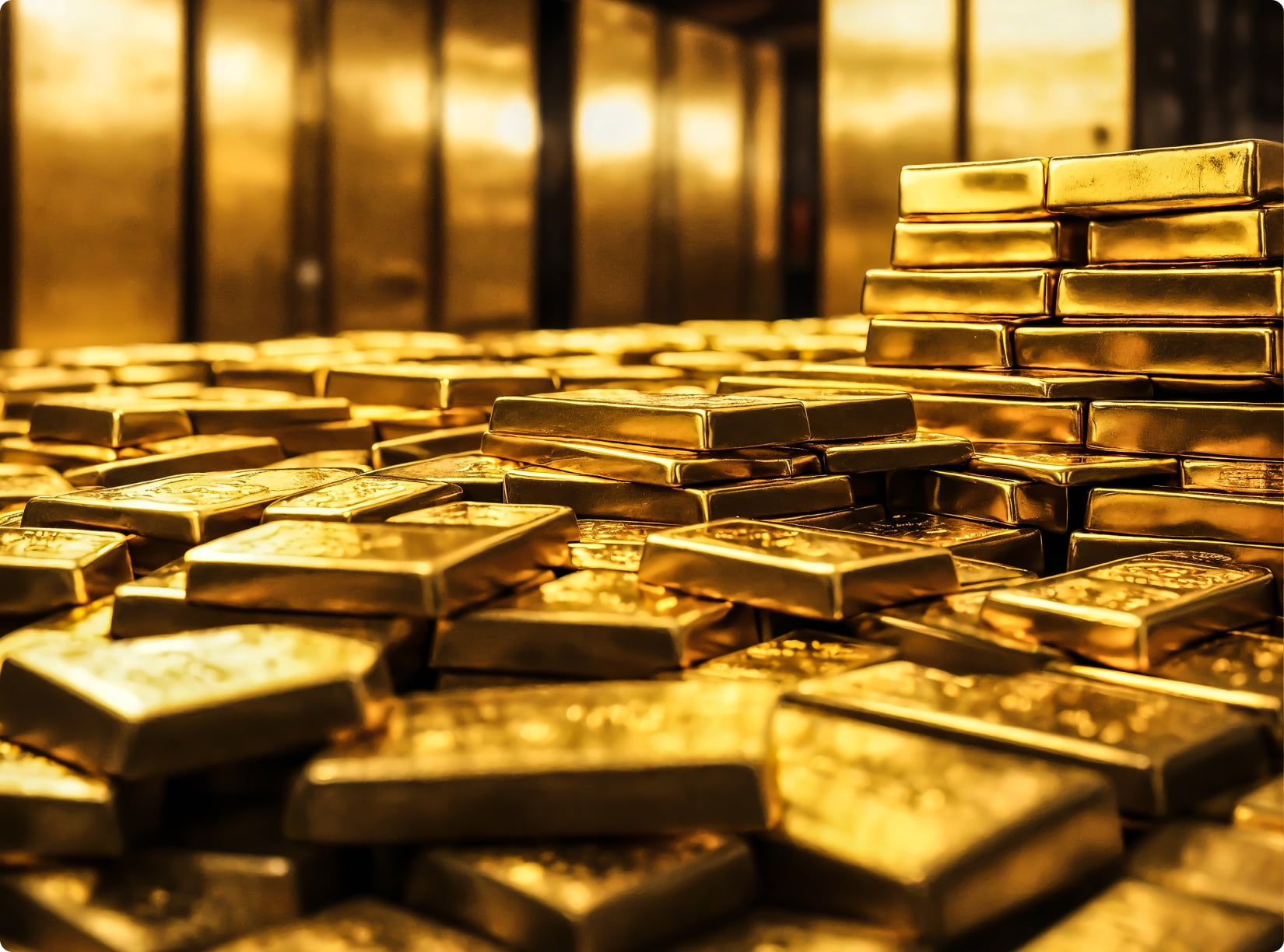
Coveted for its beauty and rarity, gold has captivated humanity for millennia. Beyond its aesthetic appeal, gold has played a vital role in global monetary systems and continues to serve a wide range of technological and scientific purposes in the modern economy.
Wherever it has been discovered, gold has been transformed into jewellery — a symbol of status, affection, and heritage, passed down through generations. Some of the earliest known gold jewellery dates back over 6,000 years.
Long before the advent of modern currency, gold was used for trade in ancient civilizations. Since then, gold has served as a medium of exchange and a cornerstone of the global financial system. Unlike fiat currencies, which lose value over time due to inflation, gold has consistently preserved its purchasing power. Its scarcity, resistance to corrosion, and extreme malleability make it not only a practical store of wealth but also an effective hedge during times of financial crisis.
Despite constant innovation in financial markets, gold remains a key asset. Central banks hold it as a reserve currency, and investors use it to diversify portfolios alongside equities and fixed income instruments to benefit from gold’s countercyclical properties and risk-mitigating potential.
While gold is best known as a store of wealth, its unique physical and chemical properties—high conductivity, corrosion resistance, and exceptional malleability and ductility—make it indispensable in industrial use. In electronics, for example, gold bonding wires ensure the reliability of microchips that power everything from smartphones to the internet.
Copper
Copper
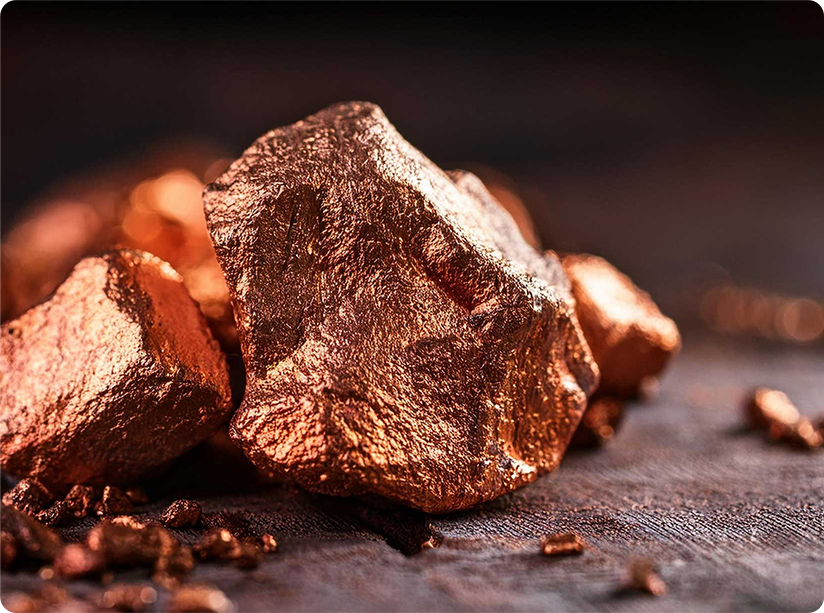
Copper is a vital, highly conductive, and malleable metal used extensively in electrical wiring, plumbing, brass and bronze fixtures, coinage, building products, and industrial machinery, with increasing demand for green technologies, including e-Mobility. It is also an essential nutrient for humans, supporting immune function and collagen production, and has antimicrobial properties. Because of its broad usage in diverse industries, copper consumption is commonly associated with industrial activity and is therefore used as a measure for economic growth and performance.